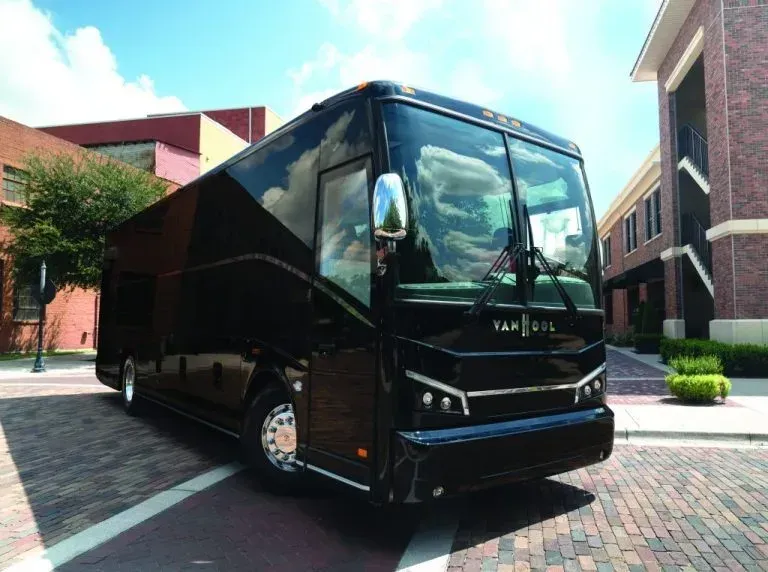
Coordinating transportation for a large group can quickly become a complex task when multiple schedules, pickup arrangements, and travel expectations are involved. Whether the event involves business gatherings, family functions, group activities, or special occasions, achieving timely arrivals for everyone calls for careful planning. A carefully coordinated transportation plan helps eliminate complications, lessen delays, and create a more pleasant experience for every participant. Through understanding the fundamental components of transportation coordination, planners can ensure a seamless journey from beginning to completion.
When large parties travel together, transportation plays a role that goes beyond simply transporting passengers from place to place. It becomes a significant component of the entire event experience. Thoughtful planning helps support schedules, facilitate communication among passengers, and promote a smoother journey. At A1 Quality Express Limousine, we recognize the value of providing structured transportation solutions that allow groups to travel comfortably and confidently.
Initiate Transportation Planning Well Before the Event
Well-organized group transportation begins through early planning. Leaving transportation planning too late may restrict options and complicate efforts to address specific group needs. Organizers should first establish attendance numbers, travel dates, projected departure times, and destination details. Securing these details ahead of time helps build an effective transportation strategy that supports the overall schedule.
Advance planning also allows time to identify potential challenges before they become problems. Traffic patterns, event schedules, pickup logistics, and passenger accessibility needs can all influence transportation plans. Taking care of these elements early allows organizers to implement transportation plans that keep travelers moving effectively. Careful planning regularly produces more efficient travel experiences with fewer complications.
Understand the Specific Size and Needs of the Group
One of the primary aspects of group transportation planning is determining passenger numbers and specific requirements. Reliable attendance numbers contribute to selecting appropriate transportation options and maximizing efficiency. Coordinators should establish participant counts promptly and keep them updated throughout the planning process.
In addition to attendance totals, organizers should evaluate the specific needs of individual travelers. Some group members may have additional baggage needs, while others may benefit from specific accommodations or assistance. Understanding these details allows transportation arrangements to be customized accordingly. Obtaining comprehensive details helps planners deliver greater comfort and efficiency throughout the trip.
Design a Well-Organized Transportation Schedule
A well-defined transportation schedule functions as a guide for the whole group. Coordinators should define departure timings, pickup areas, estimated travel durations, arrival expectations, and stopovers along the route. A precise itinerary reduces ambiguity and helps every participant stay informed about their responsibilities. Clear communication and consistent scheduling are essential for managing large groups effectively.
Clear communication is essential for making transportation schedules successful. All group members should obtain transportation information in advance. Sending itineraries through communication channels ensures all passengers remain updated. Well-defined expectations contribute to smoother and more efficient transportation execution.
Create Unified Pickup and Drop-Off Locations
Coordinating multiple pickup locations can make group transportation more complex than needed. When possible, coordinators should use unified pickup and drop-off points for participant convenience. Centralizing locations helps speed up boarding and minimizes delays caused by frequent stops. It contributes to clearer communication and better operational performance.
Centralized points allow for easier confirmation of all travelers before departure. Organizers can verify participants, communicate updates, and clarify details before the trip starts. This structured approach ensures all participants are ready and helps maintain schedule accuracy. Well-defined meeting areas contribute to efficient and organized transportation.
Emphasize Clear Communication Across the Entire Process
Strong communication is a critical factor in effective coordination of group travel. All group members should receive ongoing updates about schedules and changes. Providing accurate information helps eliminate confusion and allows passengers to prepare appropriately for the trip. Strong communication increases both efficiency and overall satisfaction.
Planners should implement dependable channels for sharing updates throughout the event. Group chats, email updates, and assigned representatives help ensure fast communication. Communication consistently serves as the unifying factor in organized transportation. Consistent updates help maintain confidence and minimize disruptions throughout the journey.
Prepare for Sudden Changes
Even the most carefully planned transportation arrangements can encounter unexpected circumstances. Unpredictable factors like weather and traffic may require prompt decision-making. Flexibility within planning improves the ability to handle sudden changes. Being prepared strengthens adaptability and keeps operations running smoothly.
Preparedness plans should incorporate communication backups and alternative arrangements. Established procedures help minimize stress and ensure structured responses to challenges. Anticipatory planning keeps operations effective even when changes occur.
Focus on Passenger Comfort and Convenience
Passenger comfort is essential to a positive transportation experience. Long travel durations for groups increase the importance of comfort and convenience. Comfortable seating, organized boarding procedures, and a well-managed travel environment help create a positive atmosphere throughout the journey. When passengers are comfortable, they tend to have a better experience and arrive ready.
Convenience is an important factor in smooth transportation management. Efficient procedures and clear instructions reduce unnecessary difficulties. When transport is well organized, passengers can enjoy the event instead of stressing about logistics. A smooth and convenient trip often improves the overall success of the event.
Work with Experienced Transportation Professionals
Coordinating transportation for large groups involves many moving parts, making professional support a valuable resource. Experienced transportation providers understand how to manage schedules, coordinate passenger movements, and maintain efficient operations throughout the journey. Professional experience website helps ensure structured and dependable transportation planning.
Professional providers contribute valuable knowledge that strengthens organization. Their familiarity with group travel allows them to anticipate challenges and recommend practical solutions. By relying on professional experience, planners can focus on the event while logistics are handled carefully.
Integrate Group Transportation Into the Event Experience
Transportation should be viewed as an extension of the event rather than simply a method of travel. Well-organized travel allows participants to relax, interact, and enjoy the experience before arrival. When well organized, transportation enhances the overall experience and creates a welcoming environment.
At A1 Quality Express Limousine, we believe successful group transportation begins with thoughtful planning, clear communication, and a commitment to passenger satisfaction. Coordinating transportation for large groups does not have to be overwhelming when the right strategies are in place. Attention to structure and comfort ensures successful group transportation experiences. We are proud to provide seamless travel experiences that give passengers confidence and ease.